
AHU Components
AHU Components
In the HVAC world, the Air Handling Unit (AHU) is a cornerstone of maintaining optimal indoor air quality and climate control. Whether used in commercial, industrial, or residential applications, AHUs ensure efficient ventilation, heating, cooling, and air filtration.
This guide dives into the essential functions, key components, and benefits of AHUs, highlighting their pivotal role in HVAC systems.
Table of Contents
- What is an Air Handling Unit (AHU)?
- Key Functions of an AHU
- Components of an AHU
- Types of AHUs and Their Applications
- Benefits of Installing an AHU
- Best Practices for AHU Maintenance
- Types of air handling systems
What is an Air Handling Unit (AHU)?
An Air Handling Unit (AHU) is an integral part of HVAC systems, designed to regulate and circulate air as part of a heating, ventilation, and air conditioning system. AHUs are typically housed in large metal boxes and are equipped with various components to condition and distribute air within buildings.
In essence, an AHU serves as the lungs of an HVAC system, ensuring that the air you breathe is fresh, clean, and comfortable.
Key Functions of an AHU
The primary functions of an AHU include:
- Ventilation: Ensures a consistent supply of fresh air and removes stale air, maintaining indoor air quality.
- Filtration: Removes dust, pollen, and other particulates from the air using filters.
- Heating and Cooling: Conditions the air by raising or lowering its temperature to meet desired comfort levels.
- Humidification or Dehumidification: Controls moisture levels to maintain the ideal indoor climate.
- Air Circulation: Distributes conditioned air evenly across a building using ducts and fans.
Modern AHUs often integrate advanced sensors and controllers to monitor and adjust these functions in real-time, ensuring optimal performance and energy efficiency.
Components of an AHU
An AHU consists of several critical components that work together to perform its functions. These include:
- Fans: Supply and exhaust fans ensure proper air circulation throughout the system and control the air speed.
- Filters: Capture airborne contaminants, improving air quality and protecting system components.
- Heating and Cooling Coils: Regulate air temperature using water, refrigerant, or electrical energy.
- Dampers: Control the volume of air entering or leaving the AHU.
- Humidifiers and Dehumidifiers: Maintain consistent humidity levels to enhance comfort and prevent moisture-related issues.
- Mixing Box: Blend fresh outdoor air with recirculated indoor air to balance energy efficiency with ventilation requirements.
- Plenums: Provide chambers for air intake, mixing, or discharge.
- Energy Recovery Devices: Such as heat exchangers or thermal wheels, reduce energy consumption by capturing and reusing waste heat.
- Control Systems: Sensors, Pitot tubes, thermostats, and controllers ensure the system operates within desired paramete
Types of AHUs and Their Applications
1. Modular AHUs
Modular units are highly customisable and can be tailored for specific applications. They are commonly used in hospitals, pharmaceutical facilities (ULPA or HEPA Filters), and data centres.
2. Packaged AHUs
Packaged units are pre-assembled and designed for simpler installations, often used in commercial buildings and small industrial settings.
3. Rooftop AHUs
Installed on rooftops, these units are ideal for saving space and for easy maintenance access. They are frequently used in shopping malls, airports, and office buildings.
4. Indoor AHUs
Designed for indoor use, these units are suitable for environments with limited outdoor space, such as residential buildings or compact industrial facilities.
Air handling systems are used in a variety of environments, ranging from residential homes to large-scale industrial facilities. While the core function of an air handling system remains the same – to filter, condition, and distribute air efficiently – the design and configuration vary based on the specific needs of the application.
Residential applications
In homes and apartment buildings, air-handling systems improve indoor air quality and energy efficiency. While smaller fan coil units (FCUs) are common in residential settings, some larger homes use centralised AHUs for whole-house ventilation and climate control.
Key benefits for residential applications:
- Better air quality: Removes dust, allergens, and pollutants for a healthier indoor environment.
- Efficient climate control: Works with heat pumps or central HVAC systems to maintain a consistent temperature.
- Humidity regulation: Prevents excessive dryness in winter and moisture buildup in summer.
- Quiet operation: Advanced silencing features reduce fan and airflow noise.
Commercial applications
In office buildings, hotels, hospitals, and retail spaces, air handling systems play a critical role in ventilation, thermal comfort, and energy management. Commercial buildings often require multi-zone climate control, making modular AHUs and rooftop AHUs ideal solutions.
Common commercial applications include:
- Office buildings: Maintains air quality in high-occupancy spaces while balancing energy efficiency and comfort.
- Hotels: Provides individualised temperature control for guest rooms while ensuring fresh air circulation in shared spaces.
- Shopping malls and retail stores: Ensure comfortable shopping environments and prevent product damage from humidity.
- Hospitals and healthcare facilities: Integrates high-efficiency air filtration (HEPA) and humidity control to maintain sterile conditions.
In commercial buildings, air handling systems often use variable air volume (VAV) technology to dynamically adjust airflow, improving efficiency and reducing operational costs.
Industrial applications
Industrial environments have specialised air-handling needs, often requiring strict control of temperature, humidity, and air purity. Facilities such as food processing plants and cleanrooms rely on advanced air-handling systems to meet regulatory standards and ensure worker safety and product integrity.
Unlike residential and commercial buildings, industrial facilities require:
- Higher airflow capacity to accommodate large-scale operations.
- Specialised filtration and containment measures to meet ISO and OSHA regulatory standards.
- Custom-built modular systems that can adapt to specific temperature, humidity, and contamination control needs.
Modern industrial AHUs integrate automation, remote monitoring, and energy recovery technologies to ensure efficient operation while minimising environmental impact and energy costs.
Benefits of Installing an AHU
Investing in an AHU offers a host of advantages, including:
- Improved Indoor Air Quality: By filtering and ventilating the air, AHUs enhance the health and comfort of building occupants.
- Energy Efficiency: Modern AHUs feature heat recovery and advanced controls, reducing energy consumption.
- Customisable Solutions: AHUs can be tailored to meet specific requirements, from small offices to large industrial facilities.
- Temperature and Humidity Control: Maintain a consistent indoor climate, regardless of external conditions.
- Compliance with Regulations: Many buildings are required to meet air quality and energy efficiency standards, and AHUs play a key role in achieving compliance.
Best Practices for AHU Maintenance
Proper maintenance ensures that AHUs perform efficiently and last longer. Here are some best practices:
- Regular Filter Replacement: Clogged filters reduce airflow and strain the system, so replace them as needed.
- Clean Coils and Fans: Dirty coils and fans can decrease efficiency and lead to system failures.
- Inspect Dampers and Seals: Ensure dampers operate smoothly, and seals are intact to prevent air leaks.
- Check Control Systems: Verify that sensors and controllers are functioning correctly and recalibrate if necessary.
- Monitor Energy Recovery Devices: Clean and inspect heat exchangers and thermal wheels regularly to maintain energy efficiency.
- Schedule Professional Inspections: Partner with expert engineers for routine maintenance and system diagnostics.
Types of air handling systems
The configuration of an air handling system varies based on building size, usage, and environmental control requirements. Common types include:
- Single-zone systems: A centralised AHU regulates air for a single large area, providing uniform temperature and ventilation.
- Multi-zone systems: Multiple AHUs distribute air to different sections of a building, allowing independent climate control for each zone.
- Variable air volume (VAV) systems: These systems adjust airflow based on real-time temperature and occupancy conditions to improve energy efficiency.
- Dedicated outdoor air systems (DOAS): Used in high-ventilation applications, DOAS introduce fresh air independently from heating and cooling systems.
Conclusion
Air Handling Units are essential for maintaining healthy, comfortable, and efficient indoor environments. From improving air quality to enhancing energy efficiency, AHUs are a vital component of modern HVAC systems.
We’re here to help you maximise the potential of your HVAC systems with innovative control solutions.
YouTube Links:
https://youtu.be/v4SBoojKcSU – #165 N4 Tridium Niagara -Simple AHU logic with heater battery
https://youtu.be/J5dHCaN5AyM – #185 N4 Tridium Niagara – AHU’s, Boiler and HWS graphics completed
-
Air
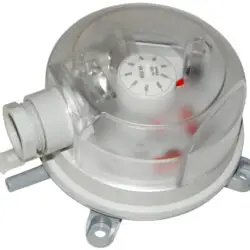
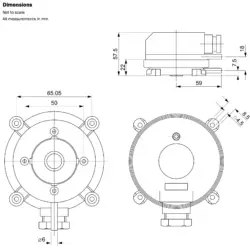
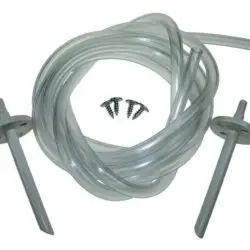
Air Differential Pressure Switch
£17.00 Select options This product has multiple variants. The options may be chosen on the product page -
Duct Sensors
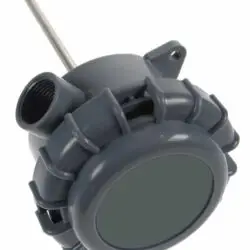
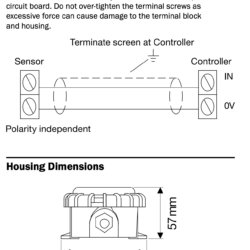
Duct Sensors 450mm
£19.00 – £30.85Price range: £19.00 through £30.85 Select options This product has multiple variants. The options may be chosen on the product page



Share this page with others:
- Share on Facebook (Opens in new window) Facebook
- Share on X (Opens in new window) X
- Share on Pinterest (Opens in new window) Pinterest
- Share on Telegram (Opens in new window) Telegram
- Share on Tumblr (Opens in new window) Tumblr
- Share on Threads (Opens in new window) Threads
- Share on LinkedIn (Opens in new window) LinkedIn
- Share on Reddit (Opens in new window) Reddit
- Share on WhatsApp (Opens in new window) WhatsApp